The New Frisian Cuisine
Close by as a starting point
Ode is an ode to Friesland
Not just in name or atmosphere, but in the choices made every day in the kitchen.
Our search for ingredients begins as close to home as possible: first in Dokkum, then in Friesland, and afterwards in the rest of the Netherlands. We cook with the seasons and let the available produce guide the menu.
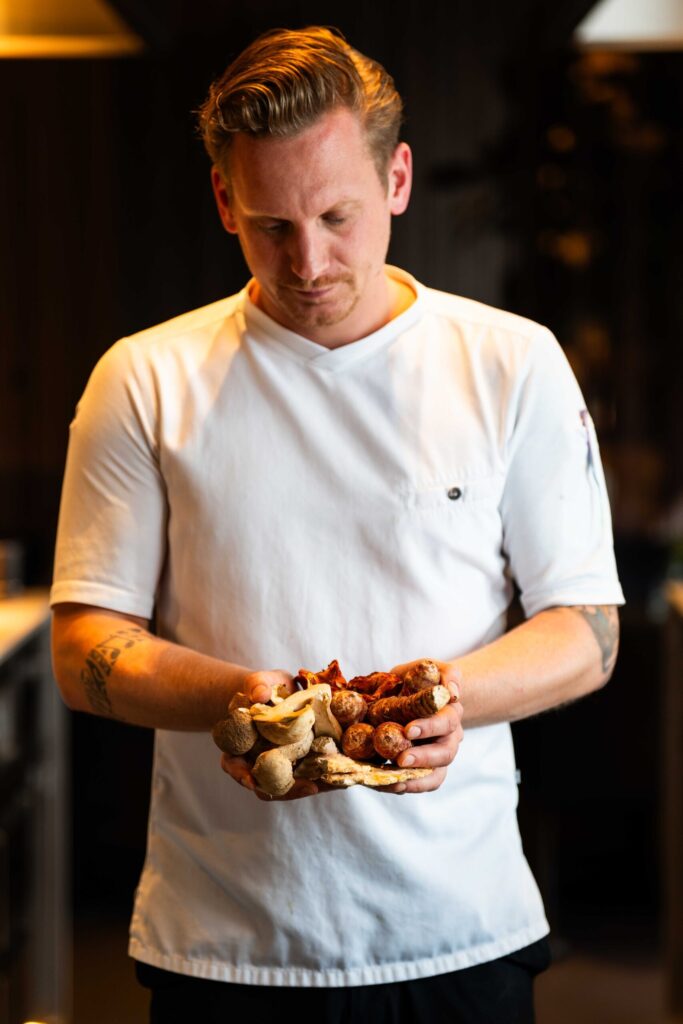
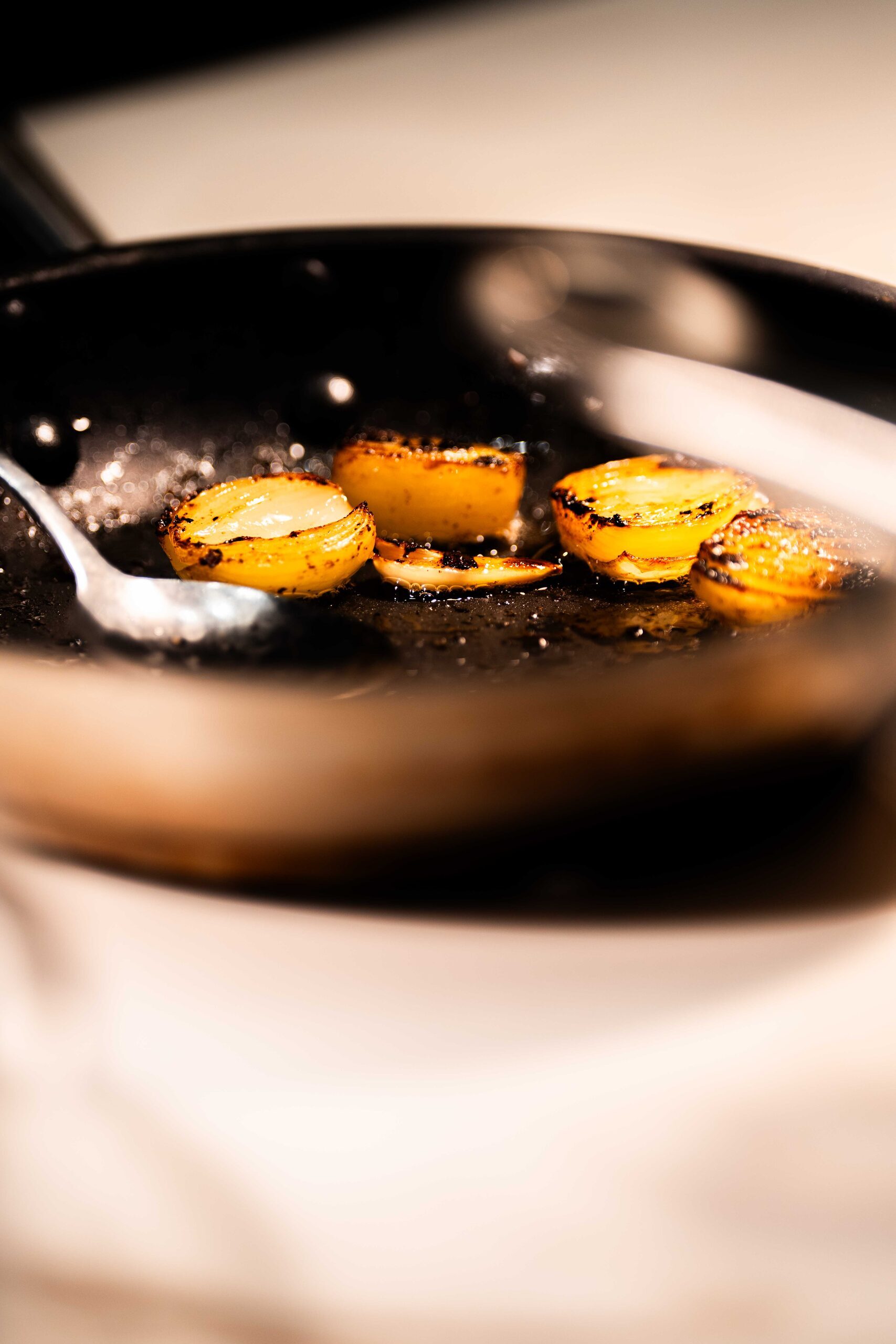
Chef Liudger’s kitchen is based on the principles of Dutch Cuisine. Vegetables take center stage, and animal proteins are used thoughtfully. In our internal kitchen philosophy, we work from a ratio of about 80 percent vegetables and 20 percent protein.
We call our interpretation the New Frisian Cuisine: rooted in the north, curious by nature, and fully focused on flavor.
Nothing for mere filling
Every component must earn its place
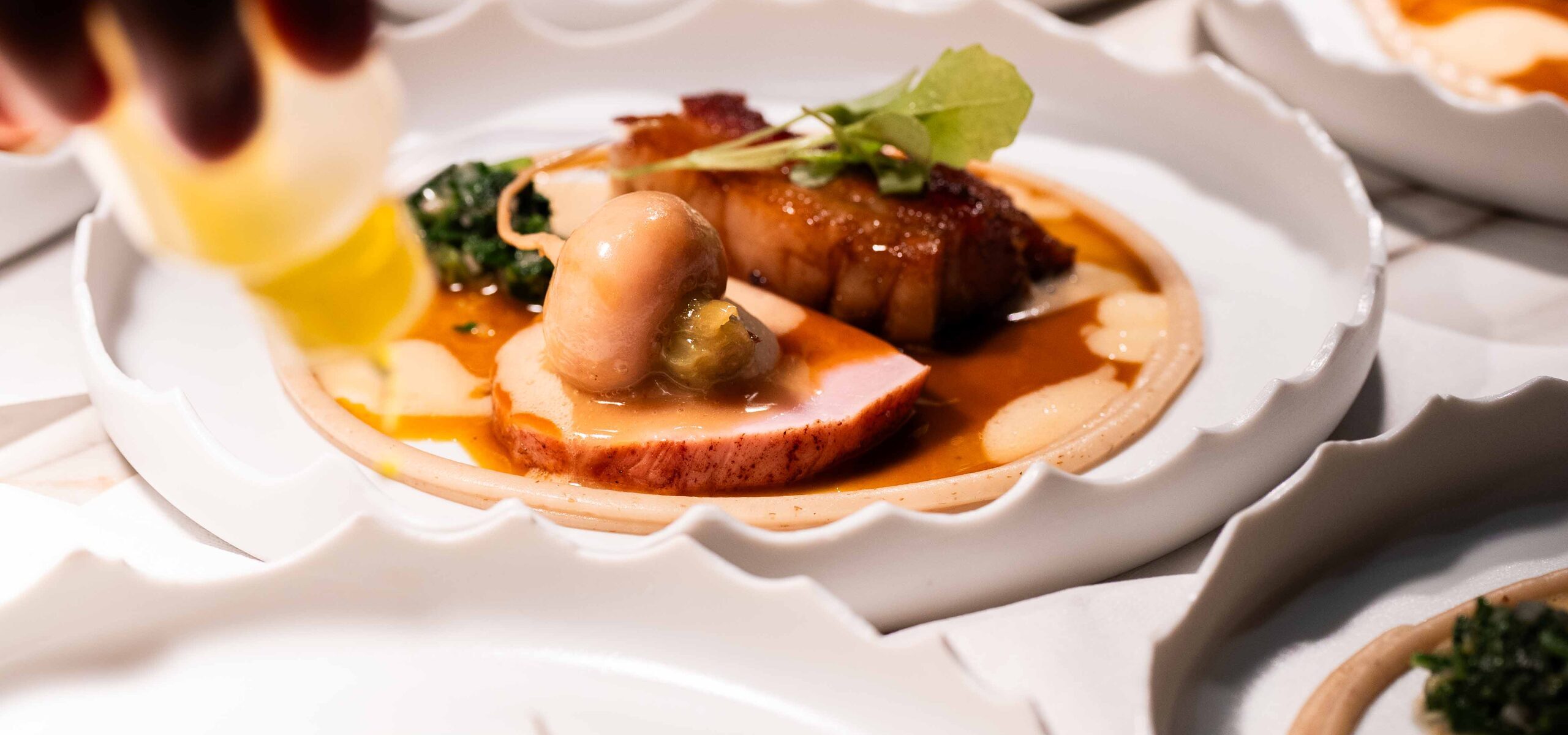
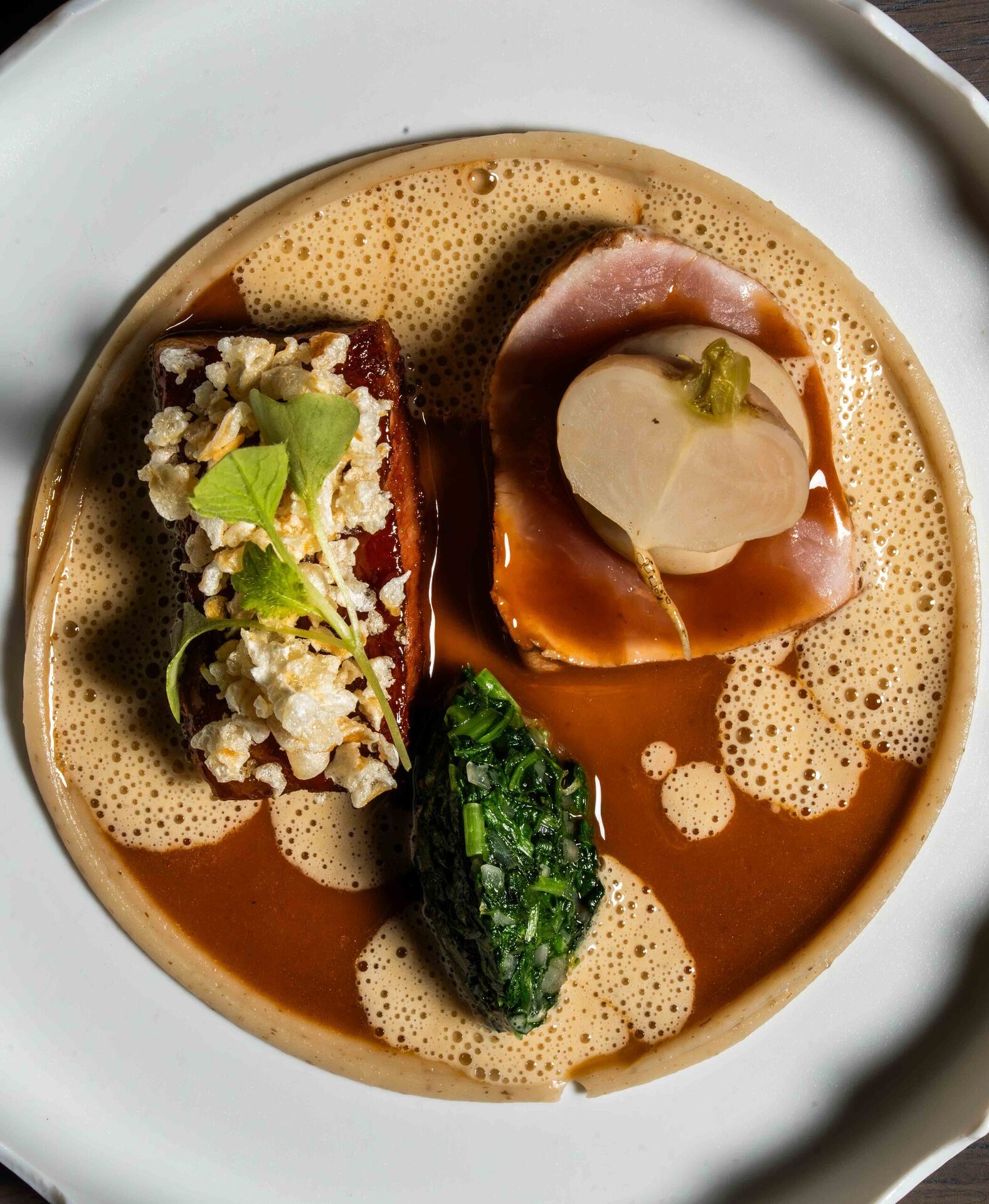
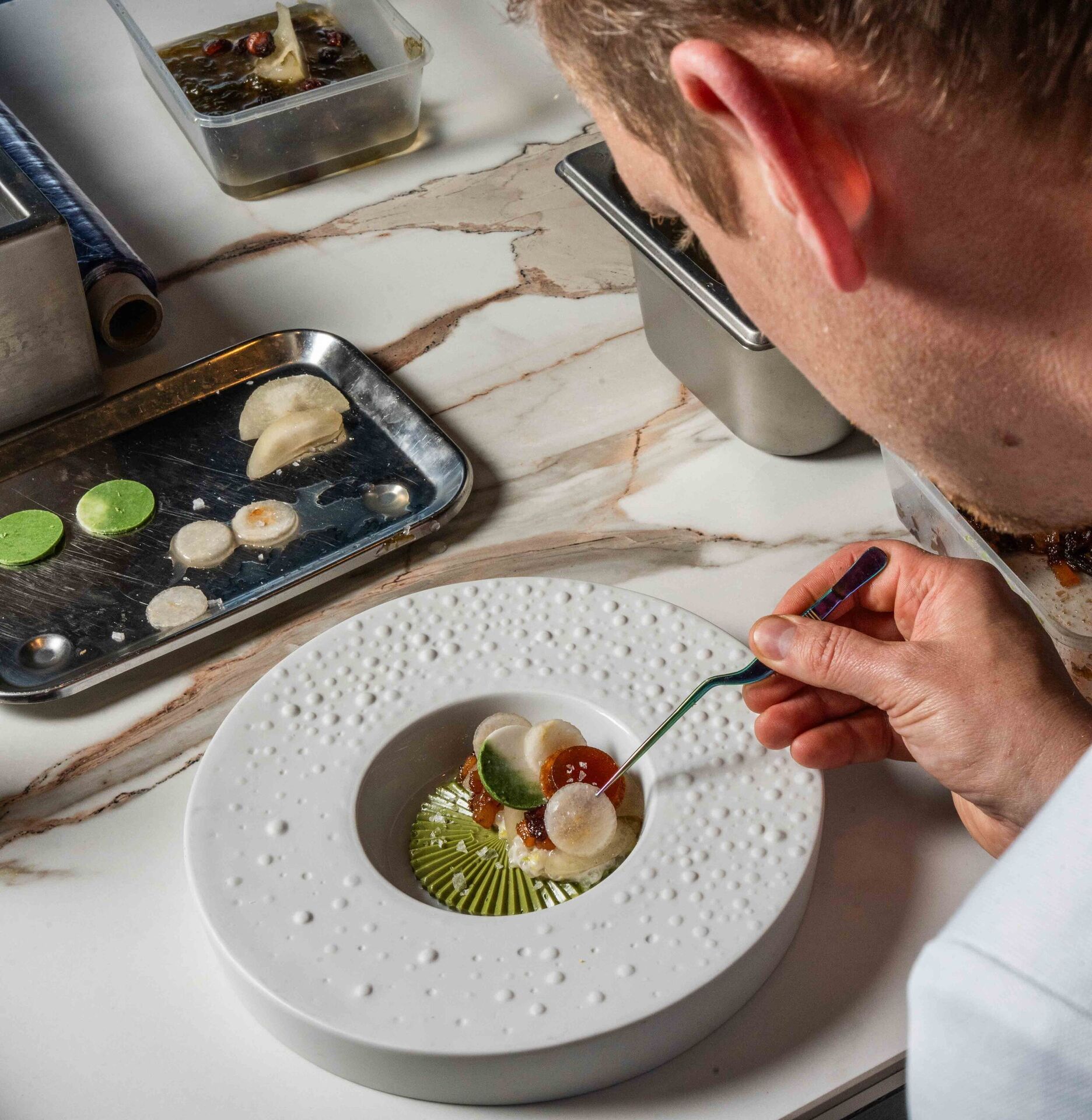
A plate at Ode is not constructed with the thought that it must be full. On the contrary.
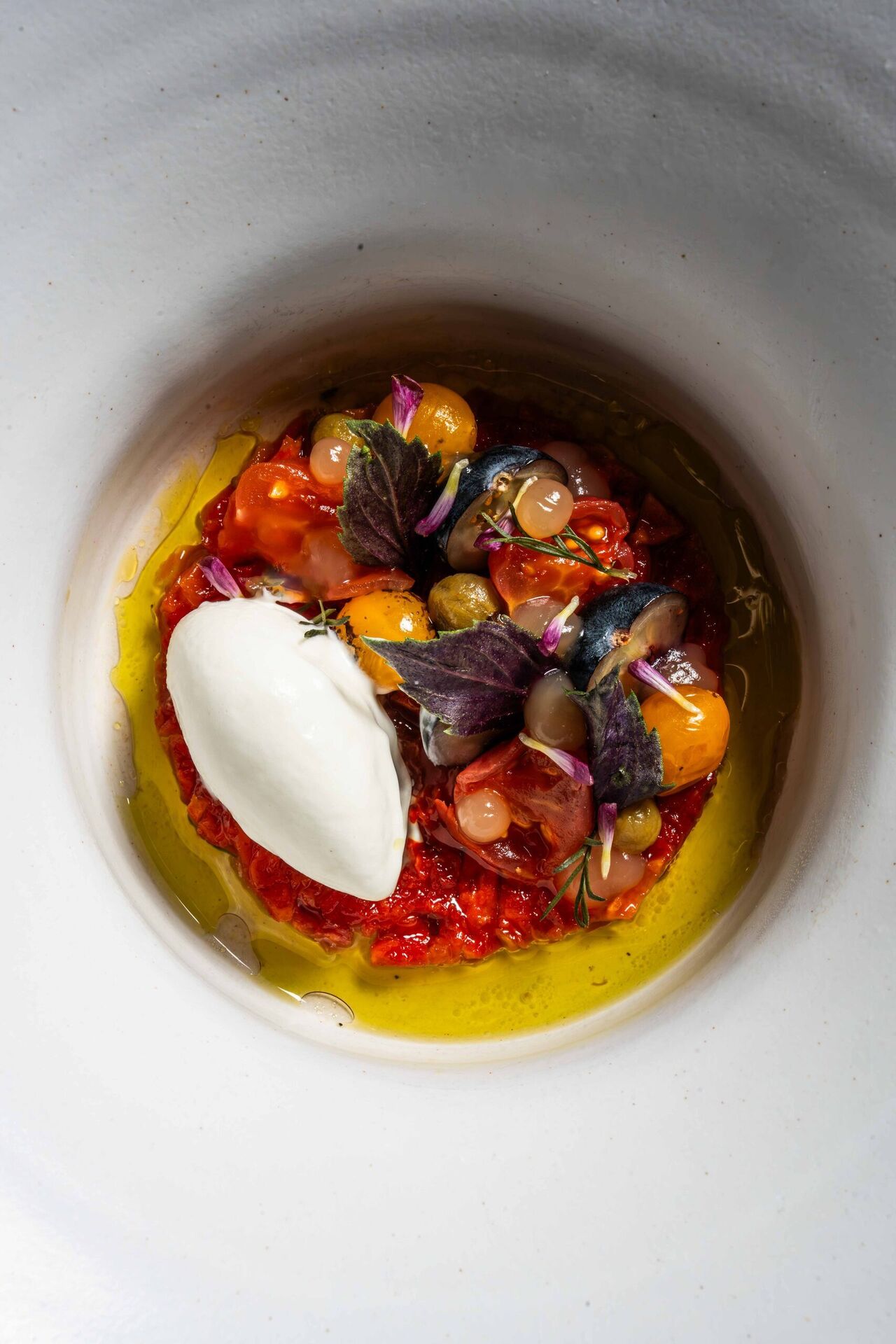
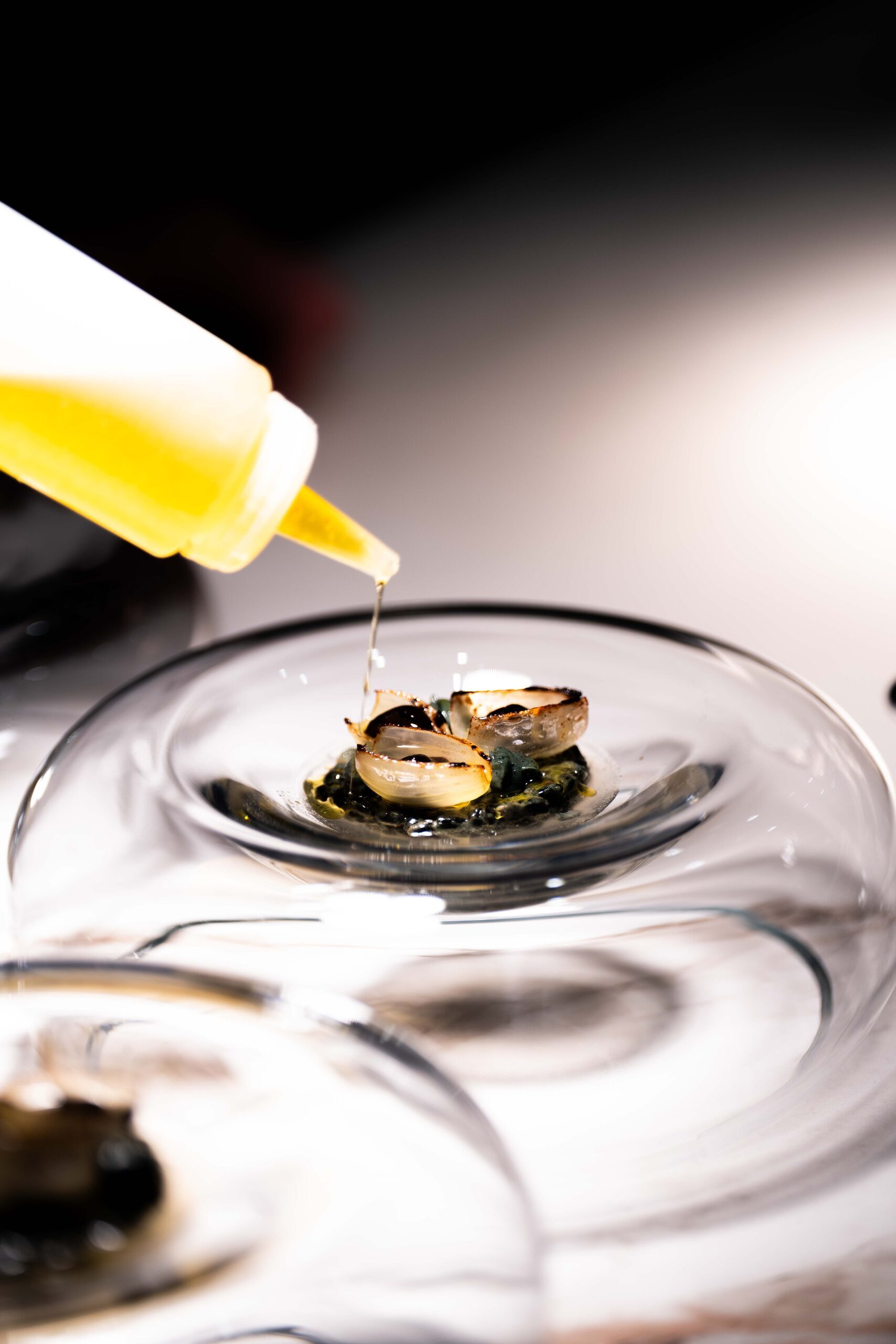
A soft texture may call for something crunchy. A rich element for freshness. Even in a dessert, salt or acidity may be needed to create tension in the dish. Sauces, creams, oils, and garnishes are not just accompaniments to a ‘main ingredient’; they all play a part.
That’s why there is a lot of tasting and adjusting. Sometimes something is added, sometimes something must be removed. Creativity only gains meaning when balance is achieved.
From Sunday at home to a kitchen of his own
For Liudger, cooking did not begin in a famous star kitchen, but at home. As a child, he helped with cooking on Sundays, and he cherishes warm memories of those moments.
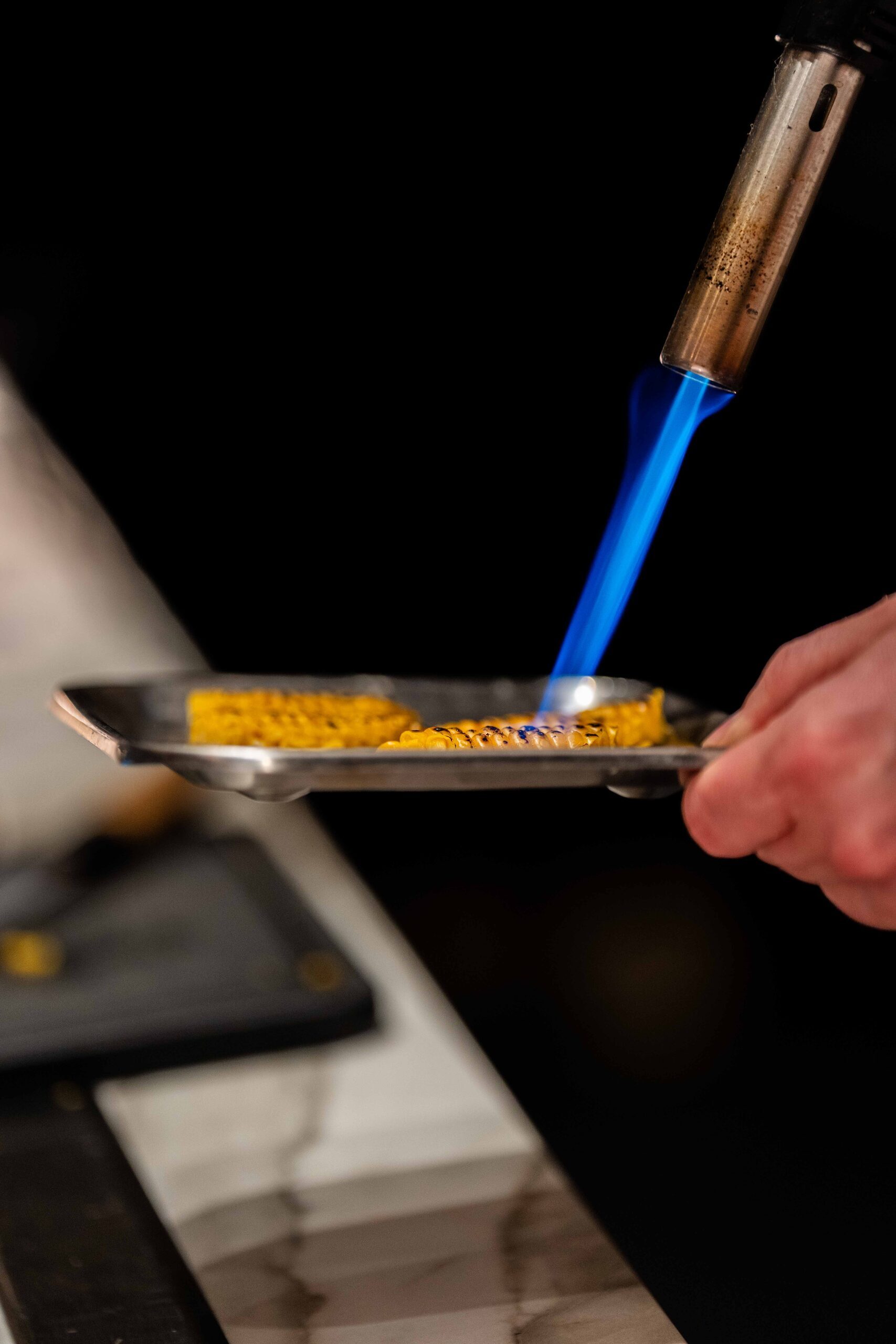
He initially chose installation technology, but soon discovered that his future lay elsewhere. He made the switch to the kitchen and developed himself without the classic route through great Michelin chefs. His signature style emerged through hard work, experimentation, tasting, and continuous improvement.
Later, he was a teacher in the kitchen of NHL Stenden in Leeuwarden. That experience is still palpable in his calm working style and in the attention with which young employees at Ode are given the space to grow.
He is certainly perfectionistic. But never for perfection’s sake. It’s about ensuring the plate is right – and that the guest can truly enjoy it.